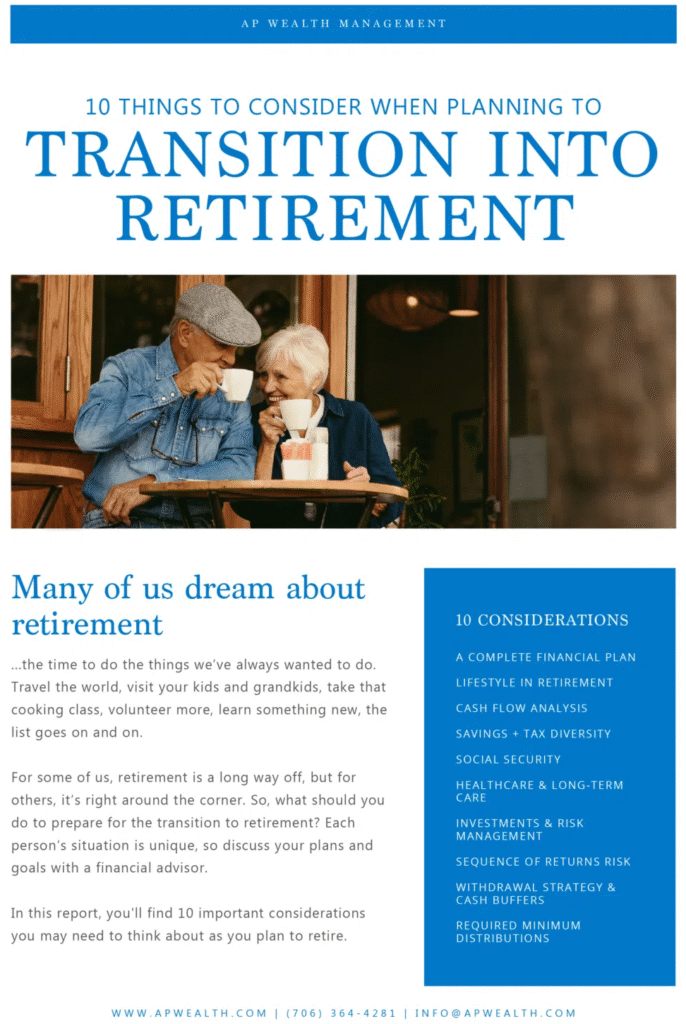

A satisfying retirement often includes more than activities at home. Many new retirees feel more fulfilled with a simple weekly rhythm that includes people, purpose, and a reason to get out and explore Augusta.
Below, we’ve organized local involvement opportunities into categories to help you find things to do as a retiree in Augusta.
Please Note: Links and examples are included to show you some of what is available in the area and help you get started. They are provided for convenience and should not be viewed as an endorsement, recommendation, or evaluation of any organization or program.
Structured Volunteer Opportunities Serving the Community
If you’re looking for structure, consistency, and visible impact, formal volunteer opportunities can provide a steady anchor in your week. Many local nonprofits offer defined responsibilities, clear expectations, and service paths that directly support the broader community.
Hunger Relief & Basic Needs Support
Organizations focused on food access and necessities allow you to see tangible results from your time. If addressing hunger or basic needs resonates with you, some groups offer hands-on roles that support individuals and families across the region.
Some examples include:
- Golden Harvest Food Bank: A regional food bank serving the CSRA. You can help sort donations, pack boxes, or distribute meals to neighbors in need.
- The Salvation Army of Augusta: Opportunities include food distribution, seasonal drives, and direct assistance programs for residents.
Literacy, Tutoring & Youth Mentorship Programs
Educational support programs allow you to invest in the next generation through consistent engagement. If you enjoy teaching, mentoring, or academic guidance, there are multiple options to consider.
Some examples include:
- Dr. Paulette P. Harris Literacy Center: Support adult literacy and basic skills instruction through a university-based program.
- RISE Augusta: Tutor early learners and support mentoring programs based on scheduled program needs.
- Boys & Girls Clubs of Greater Augusta: Commit to a consistent weekly time block and support youth development in a structured setting.
Hospital & Healthcare System Volunteer Roles
Healthcare systems rely on dependable volunteer roles that enhance patient and visitor experiences. These positions typically involve structured onboarding and clear task expectations.
Some examples include:
- Piedmont Augusta Volunteer Program: Serve in hospital departments that support patients, visitors, and staff operations.
- Doctors Hospital of Augusta Volunteers: Assist with visitor support, patient services, and administrative tasks across hospital areas.
Community Outreach Nonprofits Supporting Seniors & Families
Many organizations focus on improving the quality of life for seniors and working households. Service in this category often combines relationship-building with practical assistance.
Some examples include:
- CSRA Regional Commission Area Agency on Aging Volunteer Services: Support programs that serve older adults and people with disabilities through a range of placements.
- Senior Citizens Council of Greater Augusta & the CSRA: Get involved with local aging-related programs and volunteer pathways sponsored through the organization.
Event-Based Volunteering & Civic Initiatives
Short-term service can fit well if you prefer flexibility. Local events, seasonal festivals, and nonprofit fundraisers often offer defined volunteer shifts that allow you to schedule volunteer work around travel or family commitments.
Some examples include:
- Ironman 70.3 Augusta Volunteer Program: Help with race-day coordination, hydration stations, and athlete check-in.
- Augusta Sports Council Volunteer Opportunities: Sign up for sports-event volunteer roles tied to local races and related event needs.
Arts, Education, and Cultural Involvement
Getting involved in the arts and local learning is one of the simplest ways to build routine and meet people without committing to a rigid schedule. If you like creative spaces, lifelong learning, or supporting local performances, there are plenty of options where you can volunteer your time and still keep your week flexible.
Volunteer and Docent Roles at Museums and Historical Sites
Museums and historical sites often rely on friendly, consistent help for guest services, education support, and special events. Many roles are people-facing and social, and some organizations train docents or offer behind-the-scenes opportunities.
Some examples include:
- Augusta Museum of History: Help with special events, visitor support, and other museum needs as availability allows.
- Augusta Canal: Join Adopt-a-Trail efforts tied to the canal and trails, with options for groups or individuals.
Community Theater, Performing Arts Groups, and Seasonal Productions
Live performance offers built-in social connection, plus roles that fit different comfort levels. Front-of-house support is common, and some organizations need help with production logistics during peak show periods.
Some examples include:
- The Augusta Players: Ushering and show-night support connected with productions at the Imperial Theatre.
- Imperial Theatre: Volunteer usher roles tied to performances and events, with clear expectations for show-night duties.
Continuing Education Courses and Lecture Programs Through Local Colleges
Classes and short programs can add structure to your week while keeping things low-pressure. Many options are designed for adult learners who want personal enrichment, practical skills, or a reason to get out and meet people.
Some examples include:
- Augusta University PaCE: Non-traditional learning options designed for personal and cultural growth.
- Augusta Technical College Continuing Education: Short courses that can support hobbies, skills, and professional interests.
Guest Lecturing, Mentoring, or Advisory Roles for Retirees With Specialized Expertise
Professional experience can translate into mentorship, classroom support, or structured advising. Roles vary from one-time speaking opportunities to recurring mentoring relationships.
Some examples include:
- Augusta University Alumni Association: Volunteer and mentoring options that help you stay connected to campus life.
- SCORE – Greater Aiken: Business mentoring for entrepreneurs through a well-known national program with local support.
Active & Outdoor Social Engagement
Active meetups can give you built-in social time without needing a formal commitment, and the best part is the variety of opportunities available across the region. If you want your week to include movement, fresh air, and a steady rotation of familiar faces, these options are a strong place to start.
Walking Groups Along the Augusta Canal and Riverwalk
Walking groups are easy to join, simple to keep up with, and often become a weekly anchor for staying connected. If you like a predictable route and a low-pressure social setting, consider joining a local walking group.
Some examples include:
- Fleet Feet Augusta WalkFIT: A structured weekly walk program designed for social pacing and consistency.
- Fleet Feet Free Trail Run/Walk Saturdays: A weekly option that welcomes walkers and trail runners, with a simple meet-and-go format.
- Explore the Augusta Riverwalk: A central downtown route that’s easy to use as a meet-up point for casual walks with friends or new acquaintances.
- Augusta Trail Runners: A local club centered on trails and outdoor activity, with a welcoming “show up and join” vibe for many outings.
Golf Leagues and Social Golf Associations
Golf can be social without being intense, and leagues provide scheduled time out of the house.
Some examples include:
- The Patch Adult Programs and Leagues: League-style play that’s structured and social, with clearly posted details.
- Forest Hills Golf Course: A popular public course where events and scheduled play can make it easier to meet other regulars.
- Augusta Golf Association: A long-standing local organization tied to regional golf events and community participation in the sport.
Recreational Activities and Sports
Court sports work well in retirement because you can choose the pace, the skill level, and how competitive you want it to be. If you want something organized, start with the public facilities and league-style options.
Some examples include:
- Augusta Recreation and Parks Sports and Athletics: A good starting hub for adult programs that rotate throughout the year, including racquet sports.
- Augusta Sports Leagues: Social leagues across multiple sports, helpful if you want a set schedule and an easy way to meet people quickly.
Conservation and Environmental Stewardship Groups Tied to Outdoor Activity
If you like being outside and want your activity to connect to local waterways, trails, or habitat, conservation groups often offer scheduled events plus casual participation.
Some examples include:
Savannah Riverkeeper: River and cleanup-focused events that pair outdoor time with community impact.
Phinizy Center: Nature-park workdays and recurring options that keep you moving while supporting trails and park spaces.
SORBA-CSRA: Trail-focused involvement that attracts outdoor enthusiasts and often turns into a social circle over time.
Peer Networks, Faith Communities, and Life-Stage Groups
Some of the strongest connections in retirement come from groups that already meet on a regular basis. If you want a steady social circle without having to “start from scratch,” life-stage communities and peer networks can make it easier to plug in, show up, and build friendships that stick.
Church-Affiliated Small Groups and Fellowship Circles
Many Augusta residents find connection through local faith communities that offer small groups, study circles, fellowship gatherings, and service projects throughout the week. These environments can provide steady social interaction, intergenerational engagement, and opportunities to build meaningful relationships rooted in shared values.
Please Note: To explore organizations aligned with your faith tradition, you can search directories such as the Church Listings (Augusta area), the Jewish Augusta community directory, the Islamic Society of Augusta, or broader databases like Church Finder to locate congregations and community groups.
Retiree Meetups and Social Clubs for Newcomers
Meetups can be a practical way to find “your people” quickly, especially if you’re new to town or your social circle changed after retirement. Many groups host casual events like coffee meetups, lunches, walks, and low-pressure outings.
Some examples include:
- Augusta Singles Over 50: A social group for people 50+ with a rotating mix of activities and gatherings.
- Singles, Widows & Widowers Fifty Plus: Casual meetups built around conversation and community, often in simple settings like coffee shops and restaurants.
- Ladies Club of the CSRA: Social events and community connection for women looking to meet new friends locally.
- Georgia Retired People’s Travel & Eateries: A retiree-friendly group centered on outings, hobbies, and shared activities.
Veteran Organizations and Military-Affiliated Peer Networks
Veteran groups can offer connection, purpose, and a shared sense of experience that’s hard to replicate elsewhere. Many posts also welcome supporters for community events and service projects.
Some examples include:
- VFW Post 649 Community Service: Community-focused efforts that welcome involvement beyond regular meetings.
- VA Augusta Volunteer or Donate: A formal pathway to support veterans through VA-led volunteering and related programs.
Neighborhood Associations and Community-Building Initiatives
Neighborhood groups can make your area feel smaller and friendlier fast. If you like local improvement projects, social events, or simply staying plugged into what’s happening nearby, associations often provide an easy entry point.
Please Note: You can use the Augusta Neighborhood Associations Directory, a city-run list that helps you find the association for your area.
Volunteer & Social Opportunities in Augusta FAQs
1. How do I find reputable volunteer organizations in Augusta?
Start with well-known nonprofits, hospitals, and city or county program pages, then look for clear role descriptions, onboarding steps, and contact information. A quick call or email can confirm expectations, time requirements, and whether placements are currently open.
2. Are there volunteer roles that don’t require a long-term commitment?
Yes. Event-based roles, one-day service projects, and seasonal programs often let you help without committing to a weekly schedule. Many organizations also post short-term needs tied to fundraisers, races, or community events.
3. What opportunities are available for retirees who want social interaction without heavy commitments?
Walking groups, casual meetups, classes, and public-facility programming can give you regular connections without a formal onboarding process. Dropping into the same recurring activities helps you meet familiar people naturally over time.
4. Are there groups specifically for people new to Augusta?
Yes. Newcomer-oriented meetups, church groups, hobby clubs, and neighborhood associations are designed for exactly that. Showing up consistently for a few weeks tends to turn “friendly faces” into real connections.
5. How do I decide between structured volunteering and more casual social groups?
Structured roles work well if you like a defined responsibility and predictable expectations. Casual groups are a better fit if you want flexibility, lighter time demands, or a lower-pressure way to meet people; many retirees mix both, depending on the season.
6. Can community involvement improve overall well-being in retirement?
Yes. Regular involvement can support routine, social connection, and a sense of contribution, which often strengthens mood and day-to-day satisfaction. Choosing a role that matches your energy and fits within your schedule often makes it easier to stick with it and even adapt to future volunteer needs as your preferences shift.
Building Community With Financial Clarity
Fulfilling retirements take shape when you intentionally choose how your week looks, who you spend time with, and how you contribute. The Augusta area offers a wide range of volunteer paths, social circles, and active groups that can help you create that structure without overcommitting.
Confidence in your financial plan often makes those decisions easier. We work with retirees to coordinate income sources, manage taxes, evaluate portfolio withdrawal strategies, and stress-test long-term projections so you can participate in community life without second-guessing your finances.
If you would like a second opinion on how your plan supports the next chapter, we welcome you to schedule a complimentary consultation with our team.

Clayton joined AP Wealth Management as a fee-only financial planner in 2019 bringing with him over a decade of experience working as a financial planner and investment advisor. Clayton is passionate about the commission-free business model that allows him to sit on the same side of the table as the client, serving as a fiduciary for them. AP Wealth Management is a fee-only fiduciary firm in Augusta, GA, specializing in retirement and financial planning for local residents.
- Clayton Quamme